Telkomsel Image Bank 2025: Games
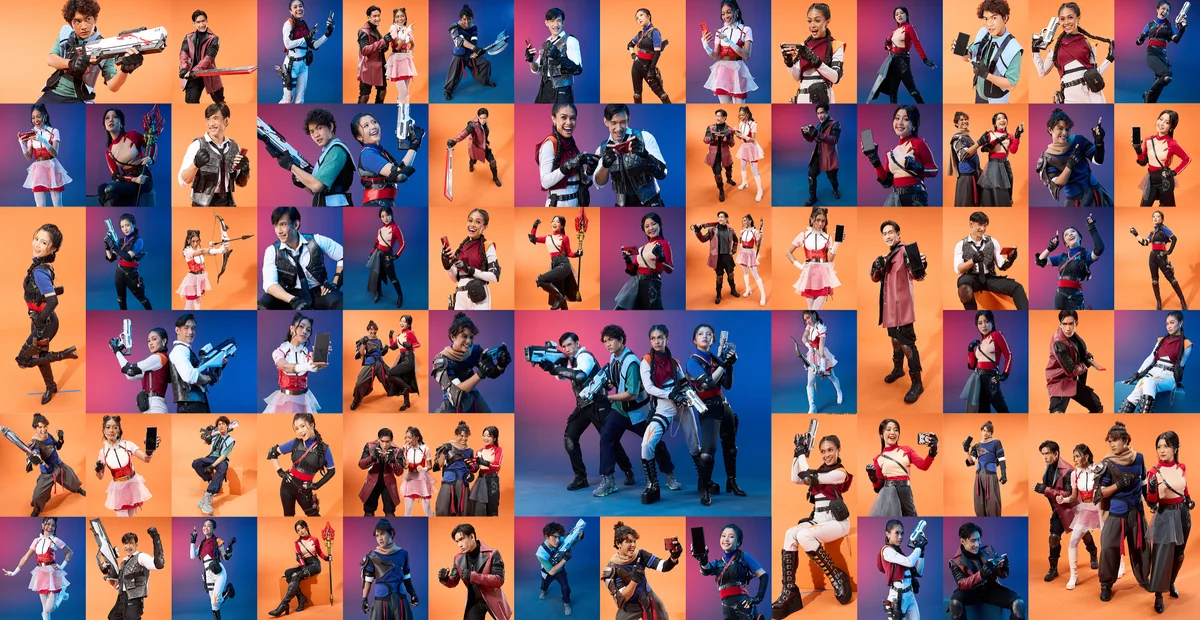
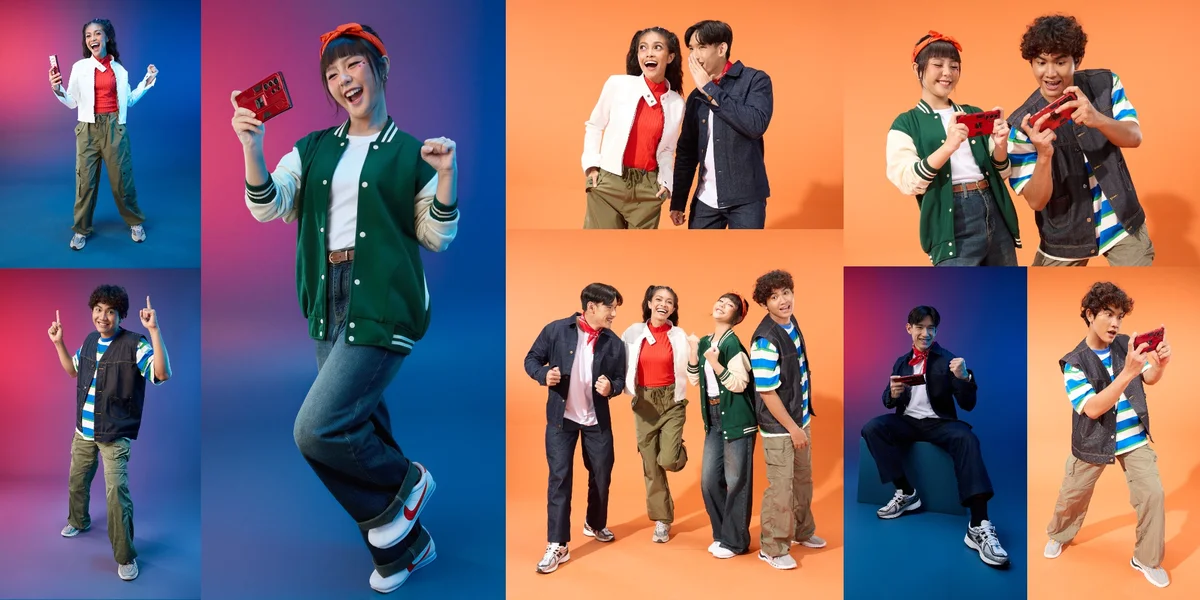
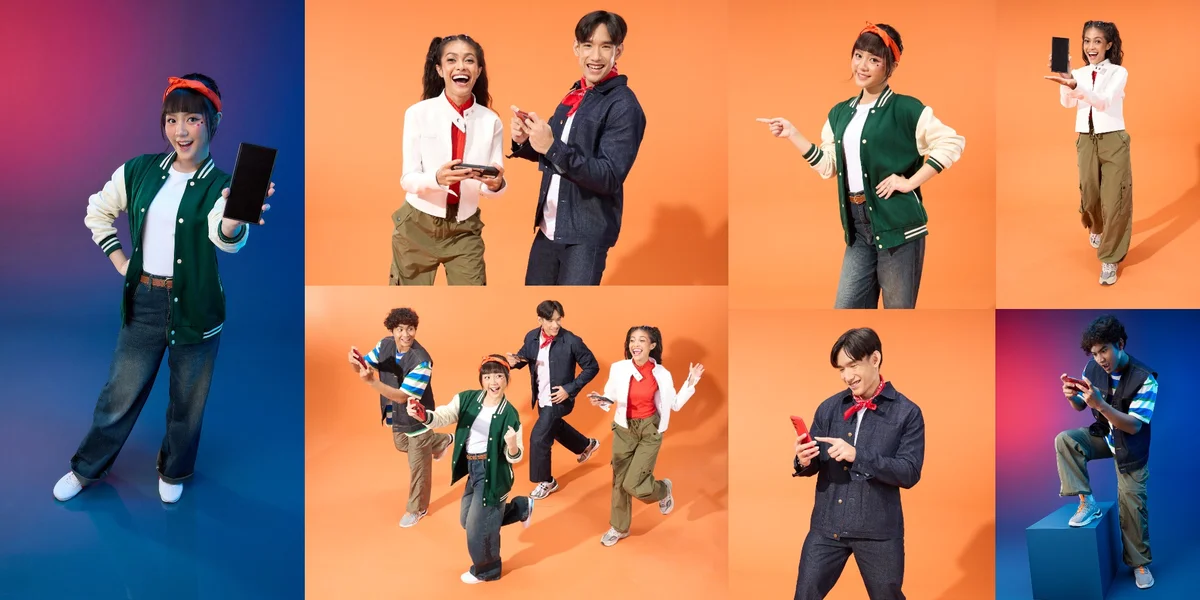
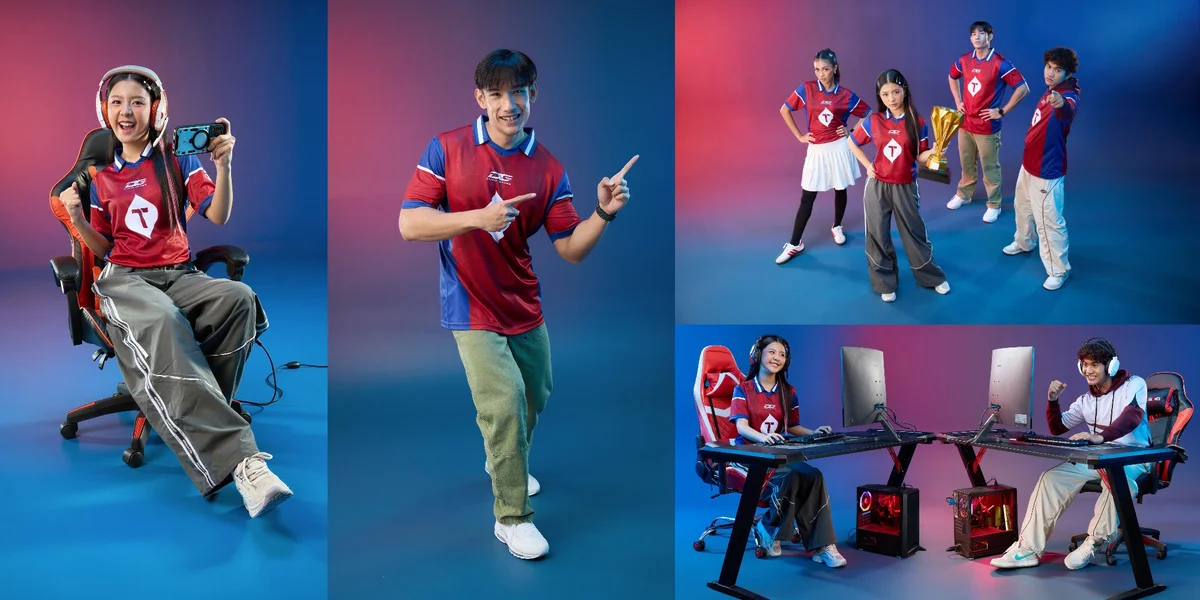
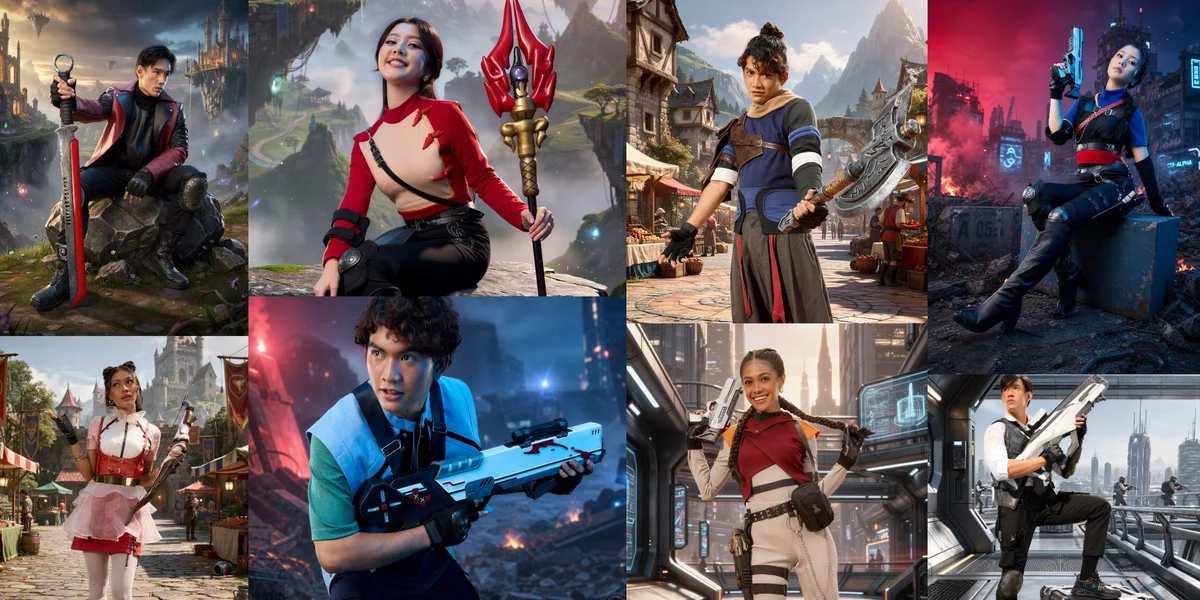
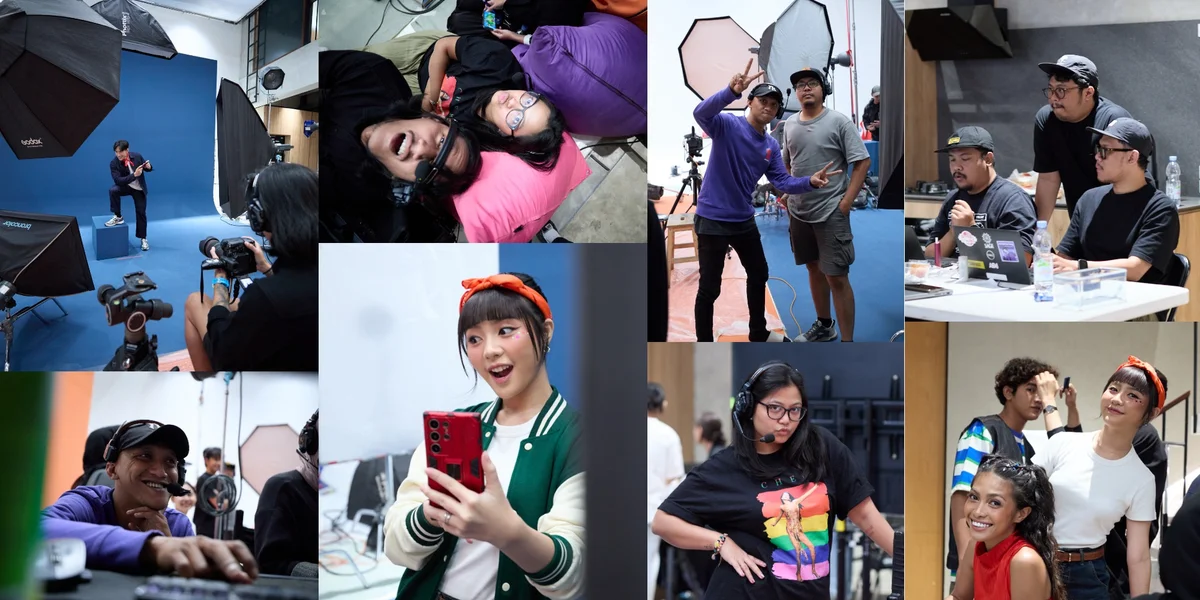
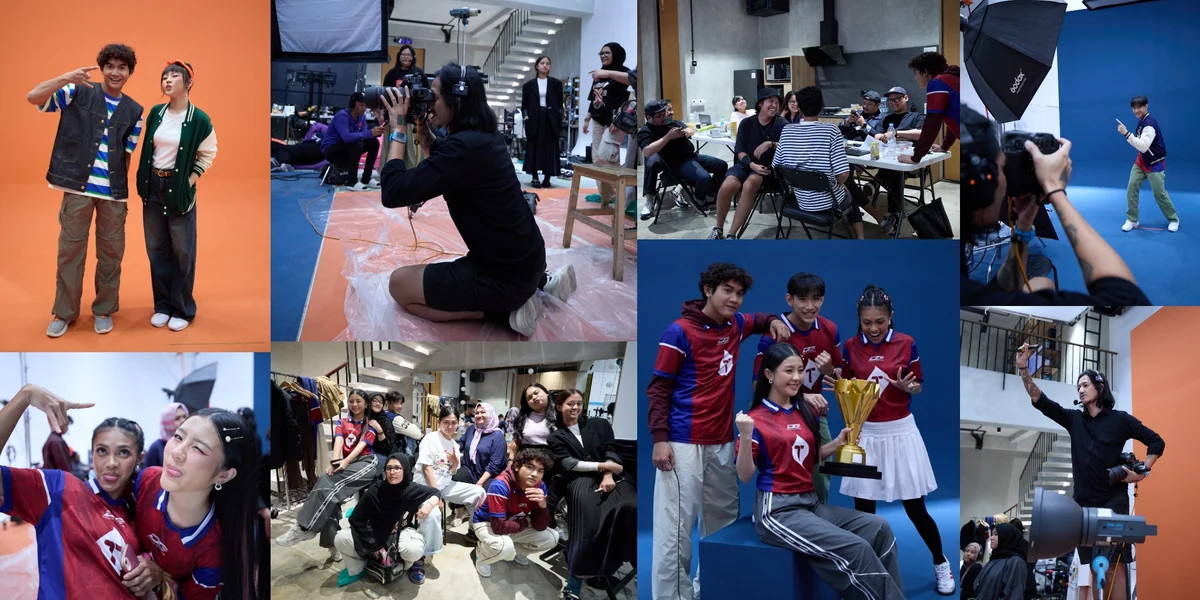
There's a particular kind of chaos that arrives when your wardrobe department has engineered a crossbow, a broadsword, and what I can only describe as a sci-fi cannon, all before a single light has been set. That was the morning tone for this campaign. Not bad chaos. Productive chaos. The kind that tells you the team took the brief seriously.
This was an image bank production for Telkomsel Games, the telecommunications giant's dedicated gaming vertical, covering the full spectrum of how Indonesians play: casual mobile gamers, competitive esports athletes, and the cosplay-inflected character world that sits somewhere gloriously between the two. Three distinct visual languages, one studio, one run.
The costume and weapons design was where the most ambition lived, and, honestly, where the most pressure accumulated. Each character had been built with intention: silhouettes that read clearly at thumbnail scale, color palettes that could hold their own against the electric orange and deep blue backgrounds we were working with, and props that had enough physical presence to be photographed rather than merely carried. Getting all of that right in pre-production meant that on set, talent could actually inhabit the character rather than just wear an outfit.
The lighting approach was where previous experience paid forward most directly. Having shot large-scale image bank work before, I understood the math of it: the more looks you need to move through, the less room you have for indulgence on any single setup. The solution was disciplined consistency. A core lighting architecture that worked across solo portraits, duos, and ensemble frames, adjusted rather than rebuilt between setups. It kept the energy moving. It kept the talent fresh. And it meant that when you look at the final grid of portraits across all three campaign directions, there's a visual coherence that feels intentional, because it was.
The esports segment brought its own pleasures. Gaming chairs, monitor rigs, team jerseys. The visual grammar of competitive play is well established, and the challenge there was finding the frame within the familiar. The casual gaming direction offered more room to breathe: varsity jackets, oversized denim, the loose physical confidence of young people who game for joy rather than ranking. And then the character campaign, the one anchored by those painstakingly built costumes and weapons, was the set that drew the most looks from anyone passing through. Someone always stopped to pick up the cannon.
What this project confirmed, more than anything, is that scale is manageable when the pre-production groundwork is done honestly. The challenge wasn't the volume of talent or the complexity of the setups. It was the costumes. Getting them built correctly, getting them to set intact, getting them on the right bodies at the right moment. Once that piece held, everything else followed its natural order.
--
Arza Nursatya
Advertising photographer of HIRA Imaji, Jakarta.